

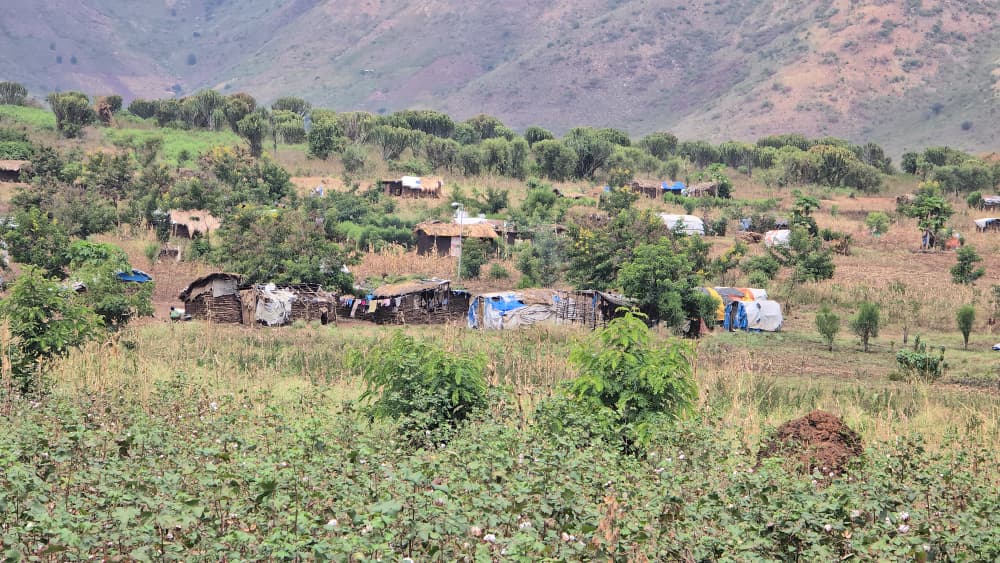
Six years after deadly floods displaced hundreds of families in Kasese District, internally displaced persons (IDPs) living in Muhokya Transit Camp are accusing the government of deliberately delaying their permanent resettlement.
Residents say the prolonged stay in the camp has worsened living conditions, contributed to loss of life and raised concerns about the management of relief and resettlement funds.
Under the scorching sun, families shelter in makeshift structures patched with worn-out tarpaulins and dry grass.
What was initially presented as temporary accommodation has evolved into a semi-permanent settlement marked by uncertainty, poor sanitation and limited access to clean water and healthcare services.
Camp chairperson Rehemah Namale said residents feel abandoned by authorities after years of unfulfilled promises.
“We were brought here and told this was temporary as government looks for permanent land for us. Now it is six years. People are losing hope. Some have died because of the harsh conditions here. We need clear communication and action, not promises,” Namale said.
She added that the prolonged stay has exposed families to disease, hunger and emotional distress.
“We have buried our people here. At least 13 have died in these six years. Many of the deaths are linked to poor sanitation, sickness and stress. Life in this camp is not safe, especially for children and the elderly,” she said.
Some residents suspect the delay may be benefiting certain individuals through continued relief allocations. A concerned Kasese resident called for investigations into how funds intended for resettlement have been handled.
“There is need for a thorough investigation. If money has been released for resettlement, the public deserves to know how it has been used. These people cannot continue suffering like this year after year,” Jafari said.
He added that the absence of regular updates has fueled mistrust among camp residents.
“If there are court cases or land disputes delaying the process, leaders should tell the people the truth. Silence only creates doubt and mistrust,” he said.
As a new school term begins, many children remain out of school. Parents say without stable incomes, proper shelter or basic scholastic materials, sending their children back to class is increasingly difficult.
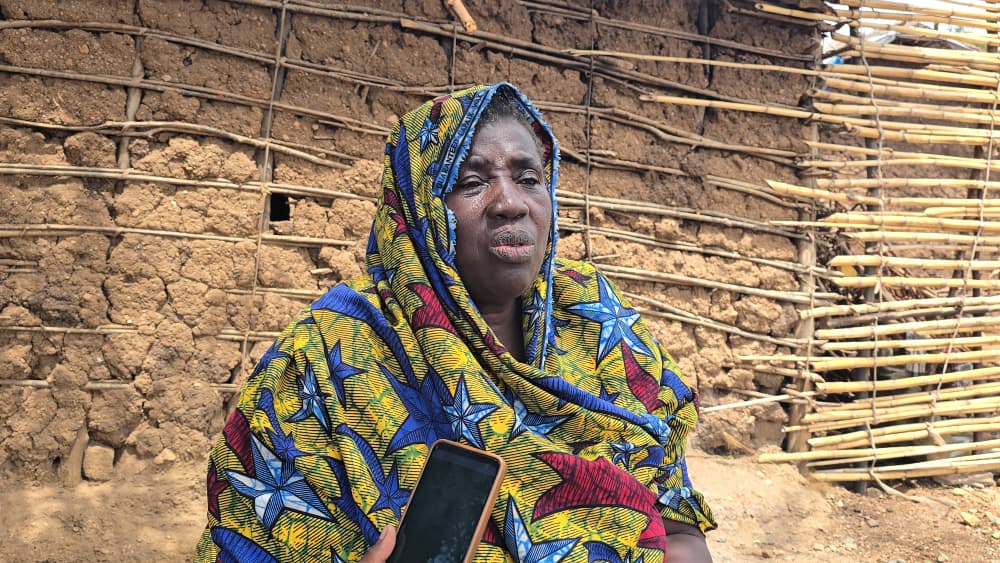
Namale noted that many families lost their livelihoods during the floods and have yet to recover.
“Schools have opened, but many of our children are still here in the camp. We don’t have money for fees, books or uniforms. Since the floods, most parents lost their jobs and sources of income,” she said.
Some children were seen engaging in manual tasks around the camp during school hours, underscoring the challenges facing affected families.
The State Minister for ICT and National Guidance, Godfrey Kabyanga, acknowledged the delay but said government remains committed to resolving the matter.
“I understand the concerns of our people. The matter of land for resettlement has faced legal challenges, but government is committed to ensuring that the affected families are permanently settled. Discussions are ongoing, and we ask for patience as we finalize the process,” Kabyanga said.
Despite these assurances, families in Muhokya continue to fault district leaders for failing to provide consistent updates on the resettlement plan.
For now, Muhokya Transit Camp remains a place of prolonged waiting, where hopes for permanent resettlement continue to diminish with each passing year.
